

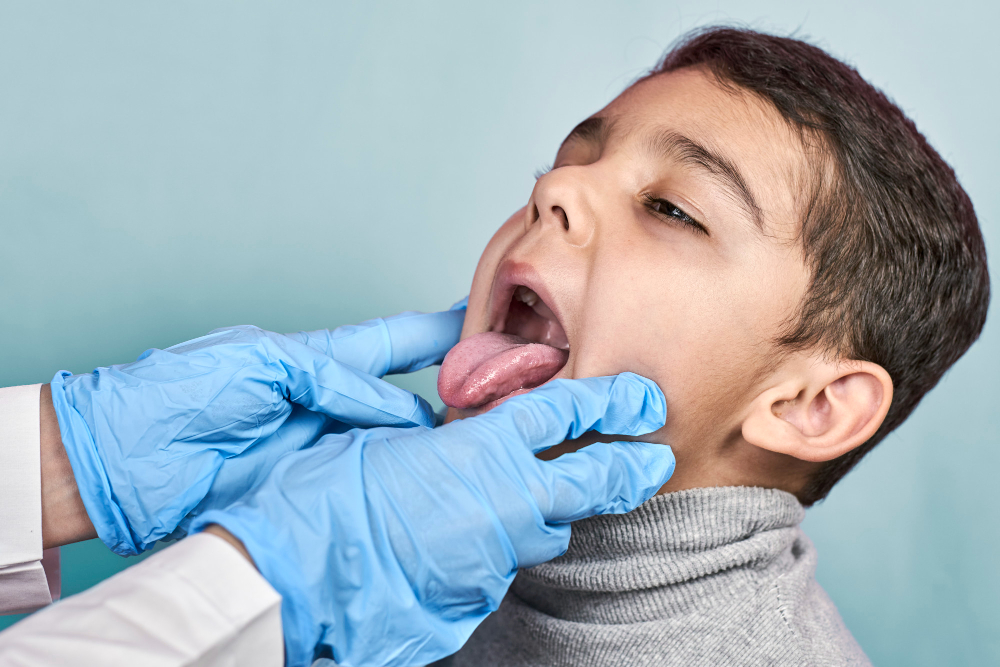
Enlarged adenoids in children are a common health issue. Adenoids are small glands in the back of the nose. They help fight germs, especially in young kids. However, sometimes these glands become swollen, leading to adenoid hypertrophy in kids. This can cause breathing or sleeping problems. Parents often notice signs of enlarged adenoids, such as snoring or mouth breathing. If you are concerned, a pediatric ENT (ear, nose, and throat) doctor can help. Understanding the symptoms, causes, diagnosis, and treatment is important for your child’s health.
What Are Enlarged Adenoids?
Adenoids are soft tissue located behind the nose, above the roof of the mouth. They are part of the immune system and help protect children from infections. However, adenoids can become enlarged due to frequent infections or allergies. When this happens, they may block the airway or cause other problems. Enlarged adenoids are most common in children between ages 3 and 7. As children grow older, their adenoids usually shrink on their own.
Symptoms of Enlarged Adenoids in Children
Enlarged adenoids can cause several noticeable symptoms. Early detection helps prevent complications. Look for these signs of enlarged adenoids:
Additionally, some children may have trouble hearing or may seem tired during the day. If you notice these symptoms, it is wise to consult a doctor.
Causes and Risk Factors
Several factors can cause adenoid enlargement in children. Most often, repeated infections make the adenoids swell. Allergies can also play a role. In some cases, genetics may increase the risk. Children who are exposed to cigarette smoke or pollution may have a higher chance of developing enlarged adenoids. Furthermore, children in daycare or school settings are more likely to catch infections that can lead to swelling.
How Enlarged Adenoids Are Diagnosed
Doctors use several methods to diagnose enlarged adenoids. First, they ask about your child’s symptoms and medical history. Next, they perform a physical exam. Sometimes, a doctor may use a small mirror or a flexible tube with a camera (called an endoscope) to look at the adenoids. In some cases, an X-ray of the head or neck helps confirm the diagnosis. These tests are quick and safe for children. Early diagnosis helps guide the best treatment.
Treatment Options for Enlarged Adenoids
Treatment depends on the severity of symptoms. For mild cases, doctors may recommend:
However, if symptoms are severe or do not improve, surgery may be needed. This procedure is called an adenoidectomy. It is safe and common in children. Doctors usually recommend surgery if your child has:
After surgery, most children recover quickly and feel better soon.
Home Care and Prevention Tips
Parents can help manage symptoms and prevent problems at home. Here are some tips:
Additionally, regular check-ups with your pediatrician can help catch problems early.
When to See a Doctor
Sometimes, enlarged adenoids can cause serious issues. Seek medical help if your child:
Early treatment can prevent complications and improve your child’s quality of life.
Frequently Asked Questions (FAQs)
Can enlarged adenoids go away on their own?
Yes, in many cases, adenoids shrink as children grow older. However, if symptoms are severe, treatment may be needed.
Is adenoid surgery safe for children?
Yes, adenoidectomy is a common and safe procedure. Most children recover quickly and have fewer symptoms afterward.
Can allergies cause enlarged adenoids?
Yes, allergies can make adenoids swell. Managing allergies can help reduce symptoms.
How can I help my child at home?
Keep your home clean, avoid smoke, and encourage good hygiene. Follow your doctor’s advice for the best results.
When should I see a pediatric ENT specialist?
If your child has ongoing symptoms or trouble breathing, it is best to see a pediatric ENT doctor for evaluation.
Conclusion & Call-to-Action
In summary, enlarged adenoids in children can cause many symptoms, but they are treatable. Early diagnosis and proper care help prevent complications. If you notice signs of enlarged adenoids, consult your pediatric specialist. They can provide the best advice and treatment for your child’s needs.