

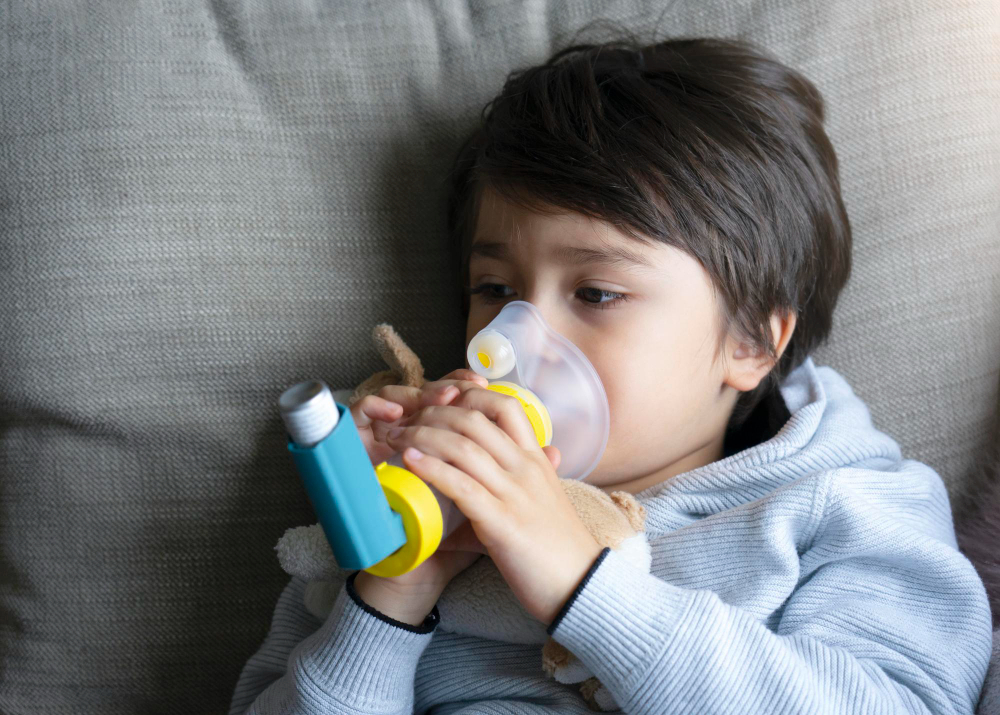
Introduction to Asthma in Children
Asthma in children is a common lung condition. It causes the airways to swell and narrow. Because of this, children may find it hard to breathe. Asthma can affect daily life and school. However, with the right care, most children can manage their symptoms well. According to the CDC, asthma is one of the most common long-term diseases in kids. Early diagnosis and treatment help children lead active lives.
Common Symptoms of Childhood Asthma
Children with asthma may show different signs. Sometimes, symptoms are mild. Other times, they can be severe. For example, a child may have symptoms only during exercise or at night. Watch for these signs:
Because symptoms can change, it is important to track them. If you notice these signs, talk to your doctor.
Main Causes and Risk Factors
Asthma in children does not have one single cause. Instead, many factors can play a role. Some children are more likely to develop asthma than others. Here are some common causes and risk factors:
Although you cannot control all risks, knowing them helps you take steps to protect your child.
How Asthma Is Diagnosed in Children
Doctors use several methods to diagnose asthma in children. First, they ask about symptoms and family history. Next, they may do a physical exam. Sometimes, doctors use breathing tests. For young children, these tests can be hard. Still, doctors may try tests like spirometry to check lung function. In some cases, they may suggest allergy tests. Because symptoms can look like other illnesses, a careful diagnosis is important.
Treatment Options and Management Strategies
Managing asthma in children involves several steps. Doctors often create a plan that fits each child. Treatment may include:
With the right plan, most children can control their asthma. Always follow your doctor’s advice for asthma treatment for kids.
Lifestyle Tips for Families and Children with Asthma
Families play a big role in managing asthma in children. Here are some helpful tips:
Because every child is different, adjust these tips as needed. Support from family makes a big difference.
Prevention and Reducing Asthma Triggers
Although asthma cannot always be prevented, you can lower the risk of attacks. Try these steps to reduce triggers:
Because triggers vary, watch what causes your child’s symptoms. Then, take steps to avoid those triggers.
When to Seek Medical Help
Sometimes, asthma symptoms can get worse quickly. Seek medical help right away if your child:
Even if symptoms seem mild, always contact your doctor if you are worried. Early action can prevent serious problems.
Conclusion
In summary, asthma in children is common but manageable. With the right care, most children can live healthy, active lives. For the best results, follow your doctor’s advice and keep track of symptoms. Consult a pediatrician for personalized asthma management for your child.