

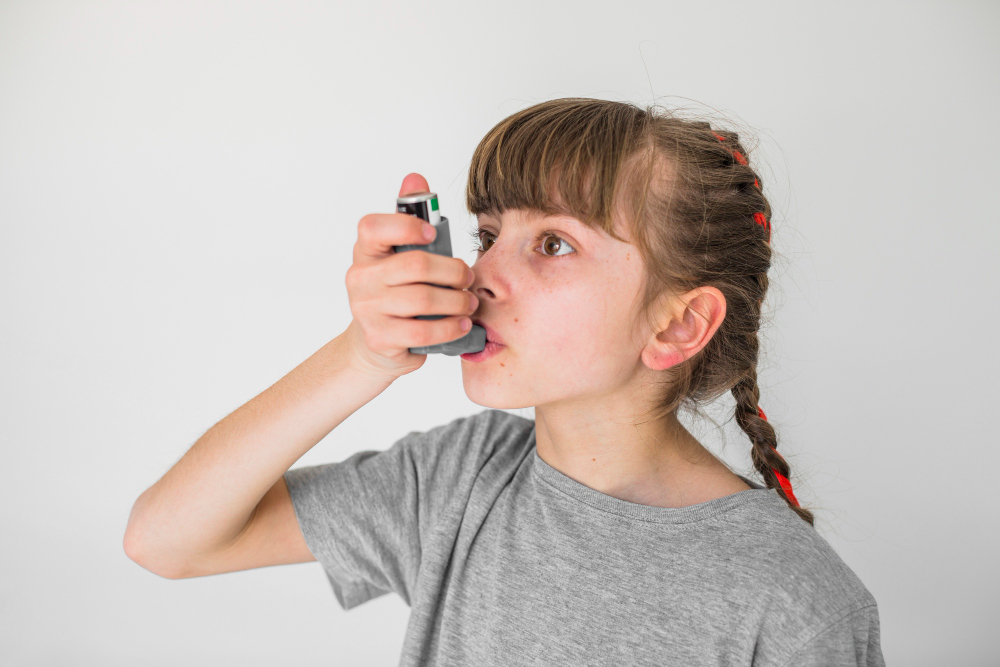
What is Asthma in Children?
Asthma in children is a long-term lung condition. It causes the airways to swell and narrow. As a result, children may have trouble breathing. This condition is common, especially in cities. According to the CDC, asthma affects millions of children worldwide. Early care can help children lead healthy lives.
How Urban Life Affects Childhood Asthma
Living in a city can make asthma in children worse. Urban areas have more air pollution and crowded spaces. Because of this, children may breathe in more dust, smoke, and chemicals. These factors can trigger asthma attacks. In addition, city homes may have less fresh air. This can make symptoms harder to control.
Common Asthma Triggers in Urban Settings
Many things in cities can trigger asthma symptoms in kids. Knowing these triggers can help families avoid them. Here are some common childhood asthma triggers in urban areas:
Because these triggers are common in cities, it is important to stay alert.
Recognizing Symptoms of Asthma in Children
Asthma symptoms in kids can be mild or severe. Early signs may be easy to miss. However, knowing what to look for can help parents act quickly. Common symptoms include:
If your child shows these signs, it is wise to talk to a doctor.
Diagnosis and Medical Evaluation
Doctors use several steps to diagnose asthma in children. First, they ask about symptoms and family history. Next, they may listen to your child’s breathing. Sometimes, they use simple tests to check lung function. In some cases, doctors may suggest allergy tests. Early diagnosis helps prevent asthma attacks in children.
Prevention Strategies for Urban Families
There are many ways to lower the risk of asthma attacks in children. Urban asthma prevention starts at home. Consider these steps:
With these steps, families can help protect their children from asthma triggers.
Lifestyle Tips and Home Modifications
Simple changes at home can make a big difference. For example, using dust-proof covers on pillows and mattresses helps. Also, vacuum carpets often and use a damp cloth to clean surfaces. If possible, choose hardwood floors instead of carpets. In addition, keep pets out of bedrooms. These tips can help prevent asthma symptoms in kids.
When to Seek Medical Help
Sometimes, asthma symptoms can get worse quickly. If your child has trouble breathing, cannot speak easily, or their lips turn blue, seek help right away. Also, if symptoms do not improve with usual medicine, call your doctor. Early action can prevent serious problems.
In summary, asthma is common in children, especially in cities, but with the right steps, families can manage triggers and keep kids healthy.
For personalized advice on managing asthma in your child, consult a pediatrician at Aditya Children’s Hospital.