

Introduction: What Are Adenoids?
Adenoids are small patches of tissue located at the back of the nose, above the throat. In children, adenoids help fight germs and support the immune system. However, sometimes adenoids become enlarged. This can cause breathing and health problems. Enlarged adenoids in children are common, especially between ages 3 and 7. Because adenoids shrink as children grow, issues often improve with age. Still, early care is important for your child’s comfort and health.
Symptoms of Enlarged Adenoids
Enlarged adenoids can cause many symptoms. Often, these signs are easy to spot. However, some symptoms may be mild at first. Watch for the following:
Because these symptoms can affect daily life, it is important to notice them early. If your child shows several of these signs, consider talking to a doctor.
Causes of Enlarged Adenoids in Children
Many factors can lead to enlarged adenoids in children. Most often, infections are the main cause. For example, repeated colds or throat infections can make adenoids swell. Allergies may also play a role. In some cases, genetics can make a child more likely to have large adenoids. Additionally, exposure to smoke or pollution may increase the risk. Although enlarged adenoids are common, not every child will have problems.
How Doctors Diagnose Enlarged Adenoids
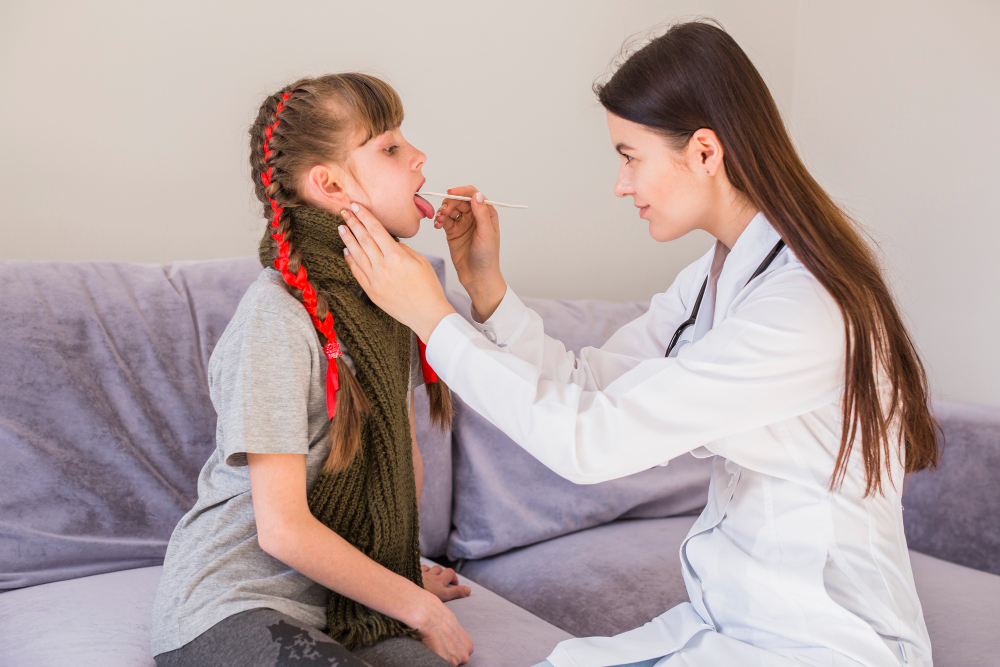
Doctors use several methods to check for enlarged adenoids. First, they ask about your child’s symptoms and health history. Next, they may look inside the mouth and nose. Sometimes, a small mirror or a flexible camera helps the doctor see the adenoids. In some cases, an X-ray of the head or neck is needed. Because symptoms can be similar to other problems, a careful exam is important. Your doctor may also check for ear or throat infections.
Treatment Options for Enlarged Adenoids
Treatment for enlarged adenoids depends on the cause and severity. In mild cases, doctors may suggest simple steps at home. However, if symptoms are severe, medical or surgical treatment may be needed. Common options include:
Because every child is different, your doctor will help choose the best treatment.
Home Care and Lifestyle Tips for Parents
There are many ways parents can help children with enlarged adenoids feel better. For example, you can:
Although these steps do not cure enlarged adenoids, they can ease symptoms and support recovery.
Prevention: Reducing the Risk of Enlarged Adenoids
While you cannot always prevent enlarged adenoids, some habits may lower the risk. For instance, keep your child away from cigarette smoke. Encourage regular handwashing to stop the spread of germs. Make sure your child gets all recommended vaccines. Additionally, treat allergies and colds promptly. These steps can help protect your child’s health.
When to See a Doctor
Sometimes, enlarged adenoids cause serious problems. Seek medical help if your child:
Because early treatment can prevent complications, do not wait if you notice these signs.
Conclusion
Enlarged adenoids in children are common but treatable. With early care and appropriate treatment, most children recover well. If your child shows symptoms of enlarged adenoids, consult a pediatric specialist at Aditya Children’s Hospital for personalized advice and care.